Lewati ke konten utama
Tenun Benang Nona
Sukarara Village · Central Lombok

Stepping Together in the Tradition of Weaving the Future of Sukarara

Uplifting spiritual stories, deep philosophies, and the role of women weavers (ecofeminism) of Sukarara Village, Central Lombok.

6
Motifs recorded
2
Research articles
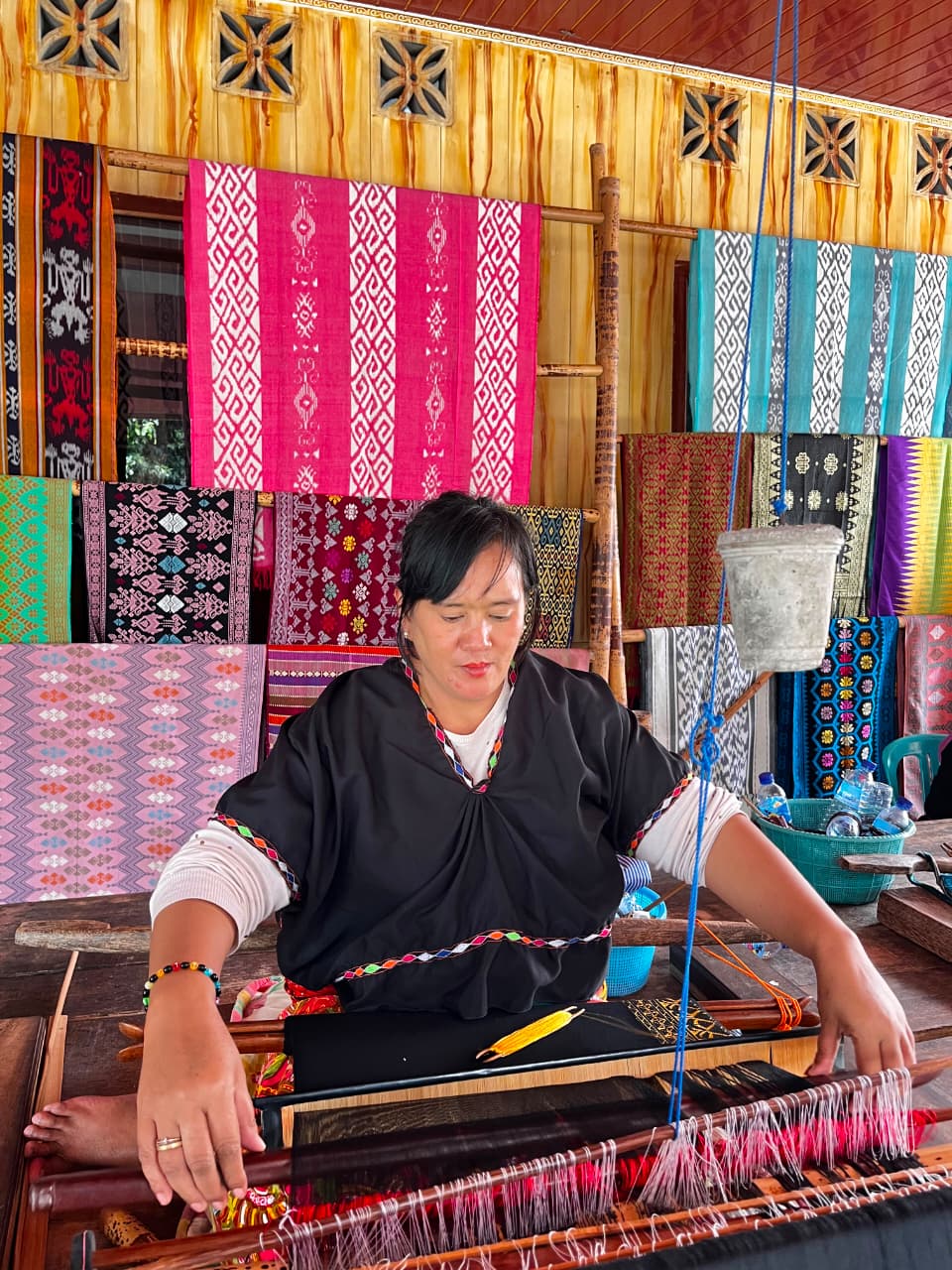
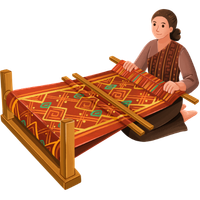
Inaq weaver in Sukarara Village
Sukarara Village · Central Lombok

Every photograph on this site comes from fieldwork made together with the weavers of Sukarara.

History & Philosophy
Culture & Research

History & Philosophy

Tracing the cultural roots of Sukarara songket

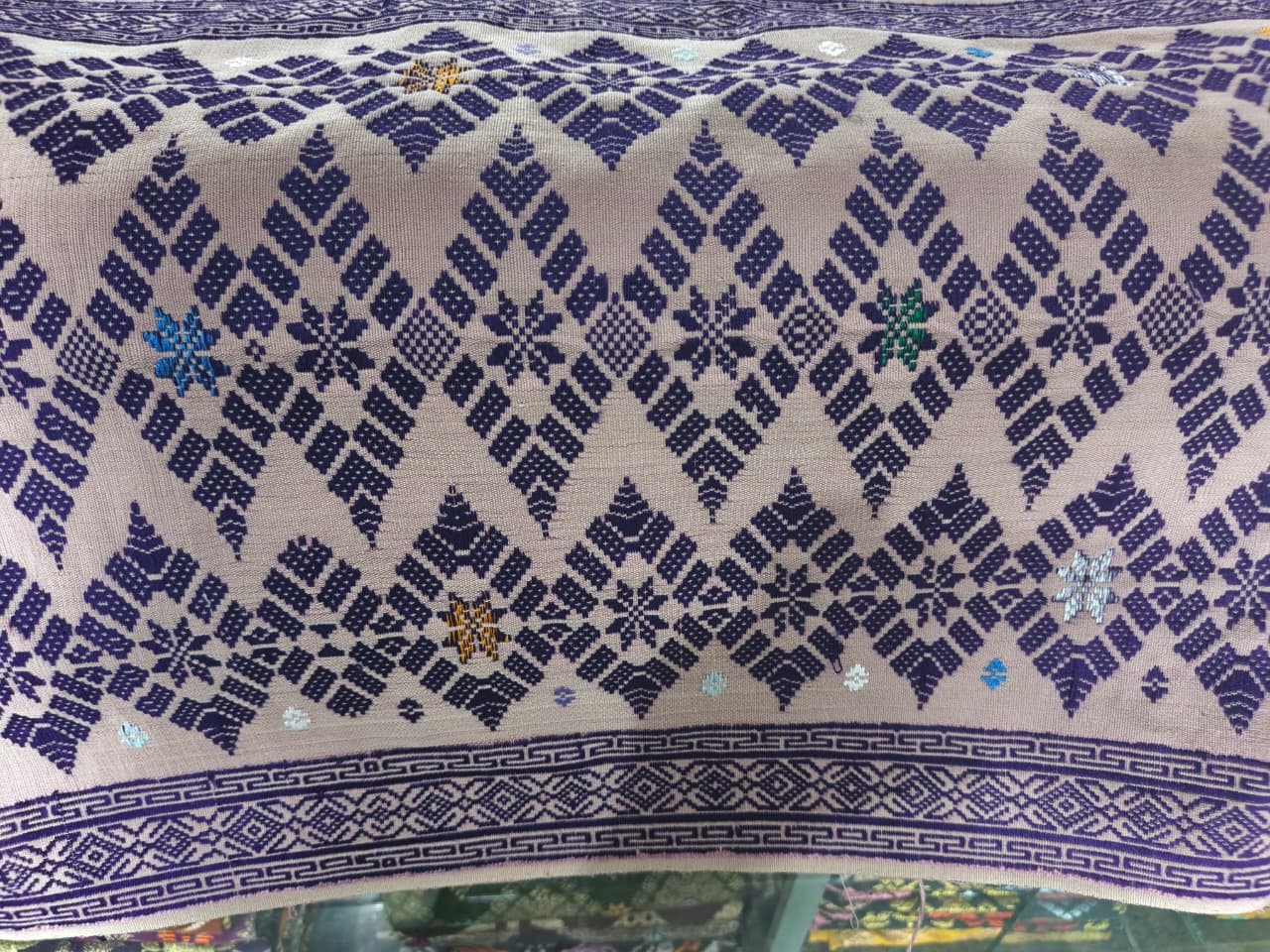
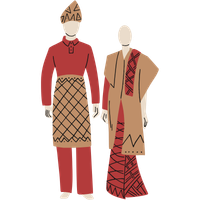
Every single piece of Sukarara songket is not just decorative fabric. It is a historical document capturing spiritual tales, social status, and Sasak life philosophies, passed down through generations since centuries ago.
Ecofeminism
Gender & Nature Perspective

Ecofeminism

Harmony with nature & the empowerment of Sukarara women

Women weavers (Inaq) are guardians of the ecosystem. By using natural dye ingredients like Indigo (blue) and Morinda/Noni (red), they foster a harmonious relationship between nature, weaving arts, and women's economic empowerment.

Indigo Morinda
Visit

Come and watch the hands that weave.

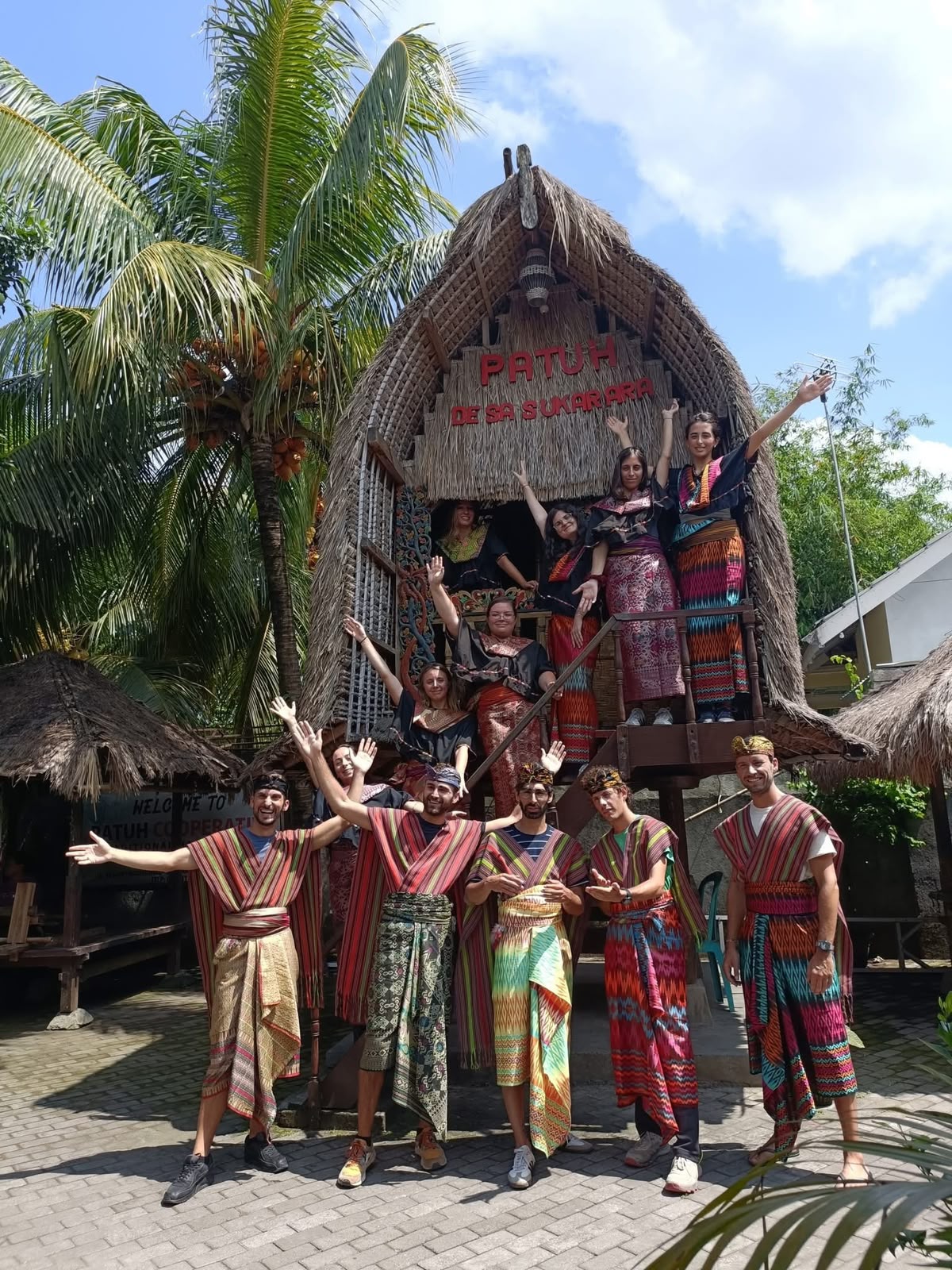
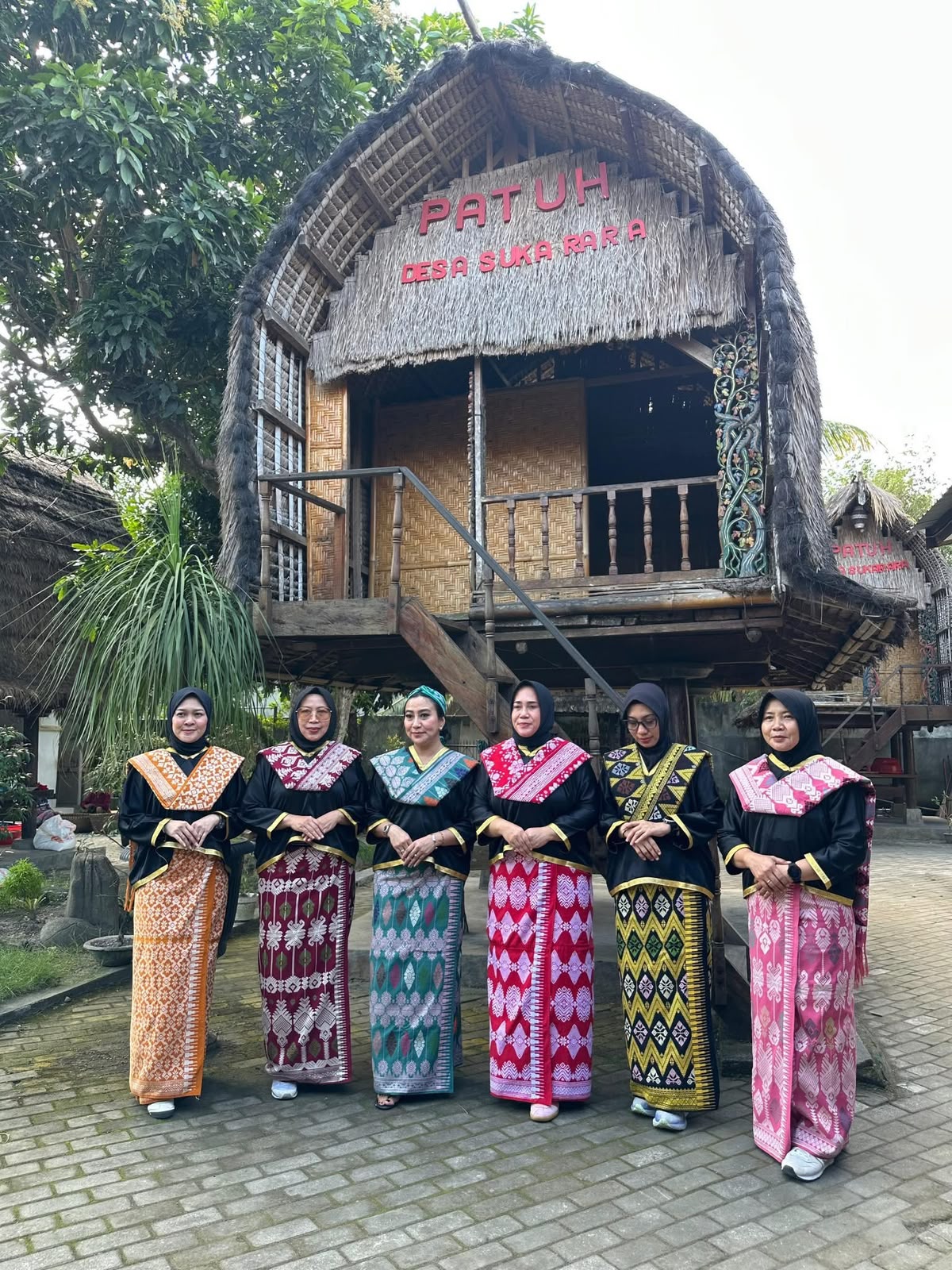
Sukarara Village welcomes researchers, travellers, and anyone who wants to learn weaving directly alongside the Inaq.

Sukarara Village, Jonggat District, Central Lombok Regency, West Nusa Tenggara, Indonesia.

Collection

Songket Motif Collection

Symbols of Sasak culture expressed through mesmerizing geometry and organic natural colors.

Motif Bulan Bekurung
Philosophical meaning

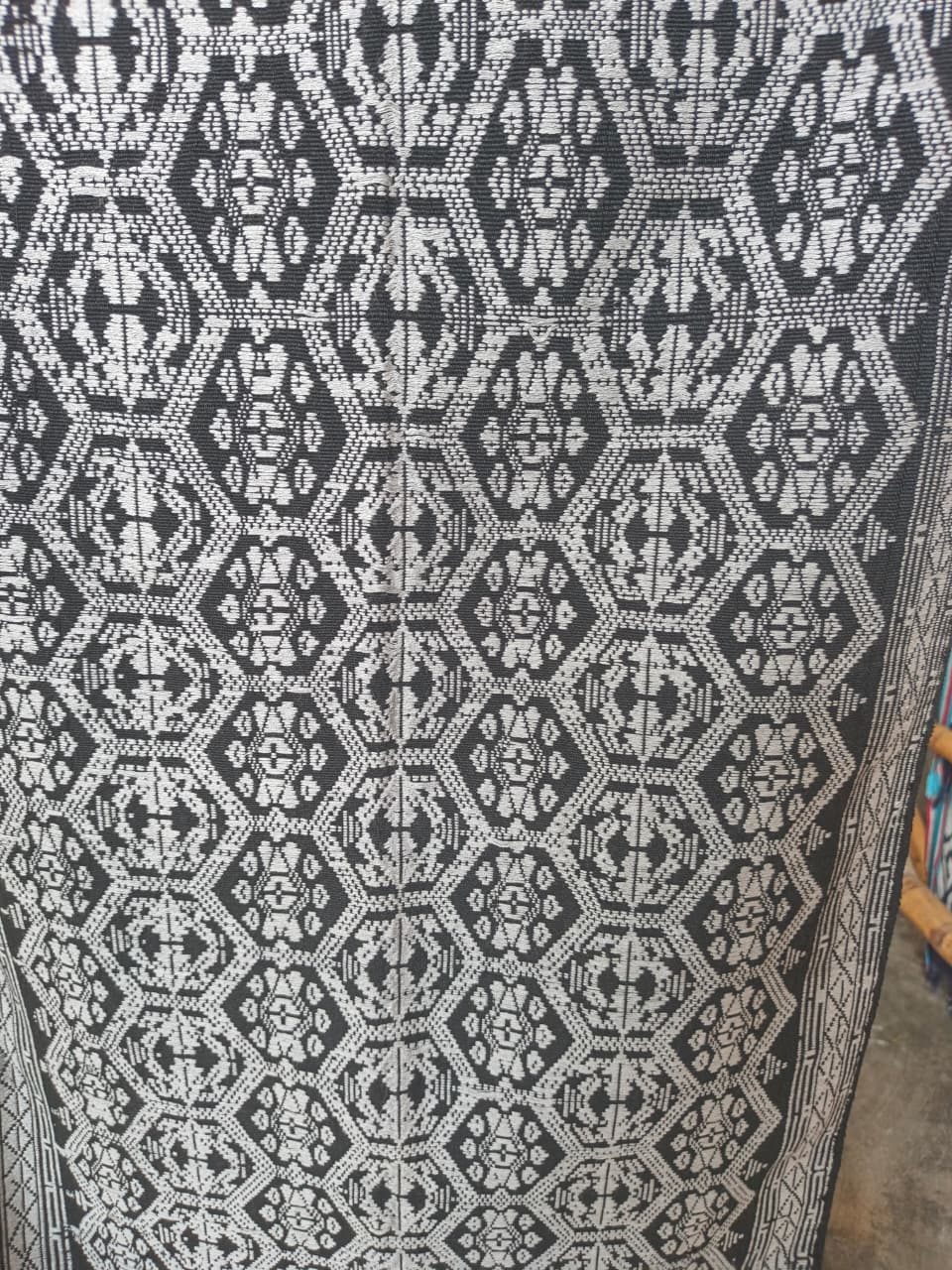
This motif depicts the shape of a moon surrounded by a geometric frame, symbolizing the concept of protecting the goodness, honor, and sanctity of the family. Philosophically, the Sasak people interpret this motif as a household that consistently upholds the dignity and honor of its inhabitants, while also representing a daughter whose honor is protected so that she can become a beacon of goodness for her family and community.

Motif Bulan Bekurung

Motif Subahnale Laek
Philosophical meaning

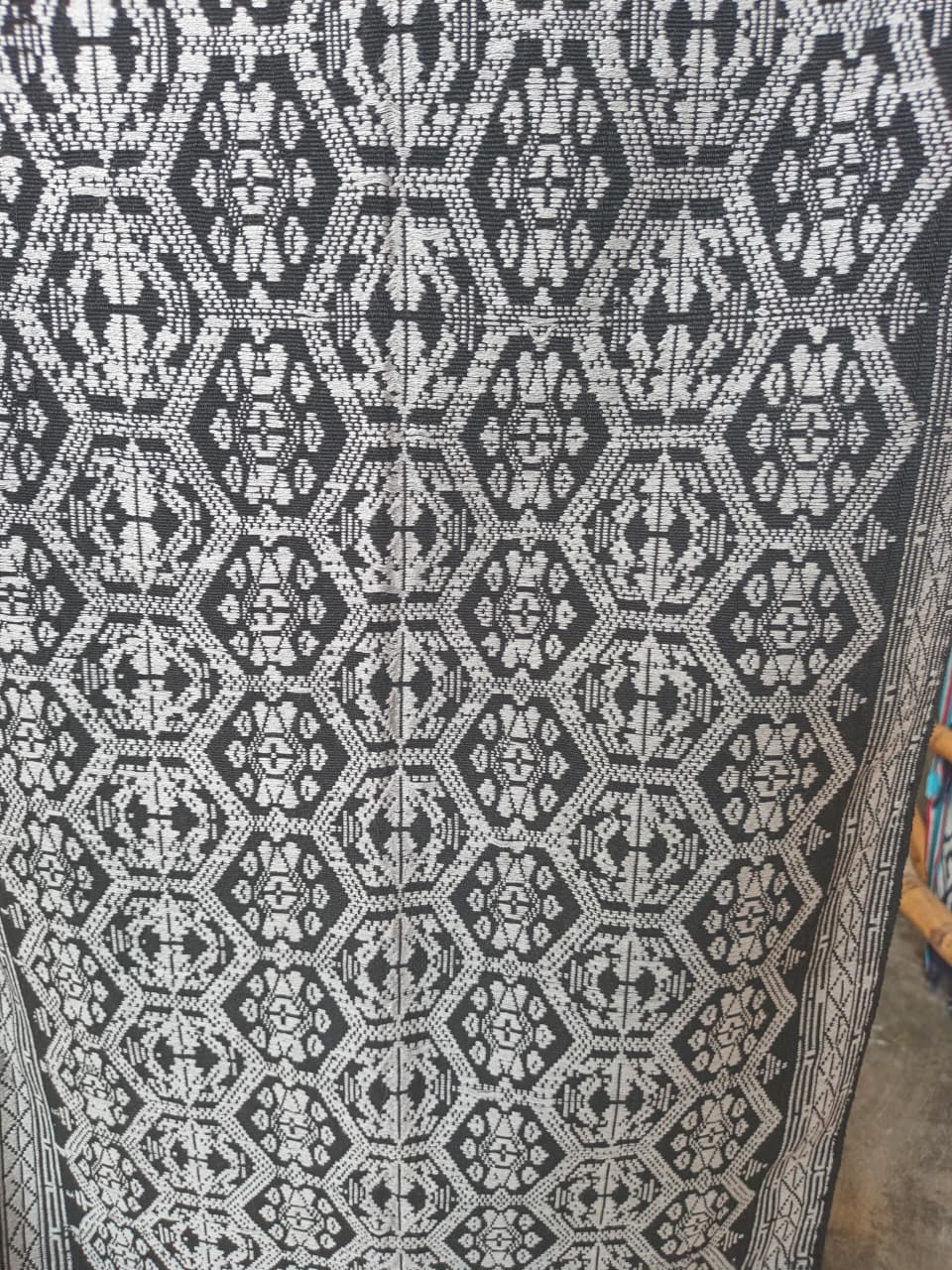
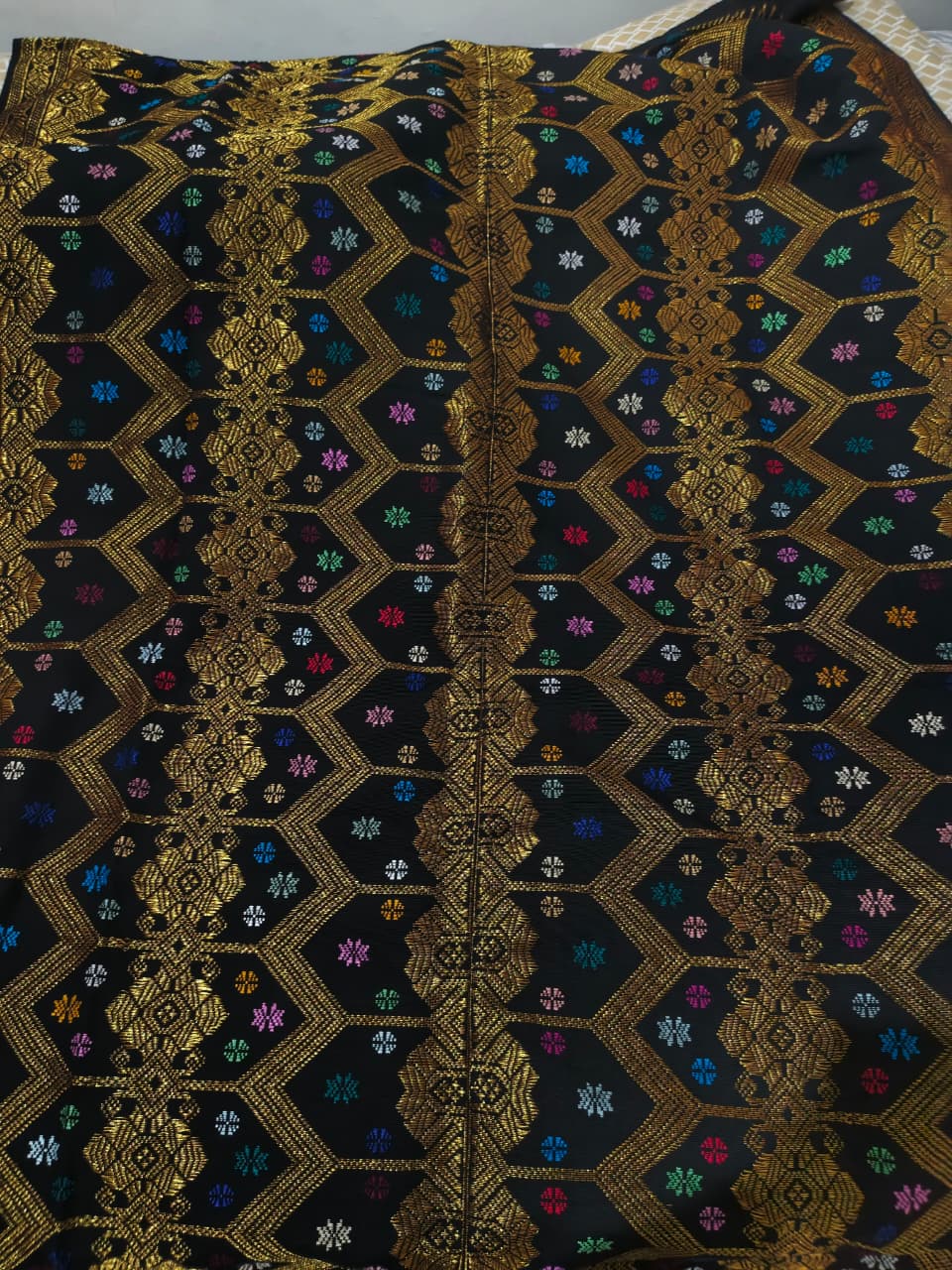
Derived from the dzikir phrase "Subhanallah" and the word "laek," meaning classic or ancient, this honeycomb motif symbolizes the extraordinary patience and perseverance of weavers of the past. Philosophically, this motif represents human devotion, gratitude, and sincerity to the Creator, where each intricate thread is accompanied by awe of God for the beauty of creation.

Motif Subahnale Laek

Motif Subahnale Nane
Philosophical meaning

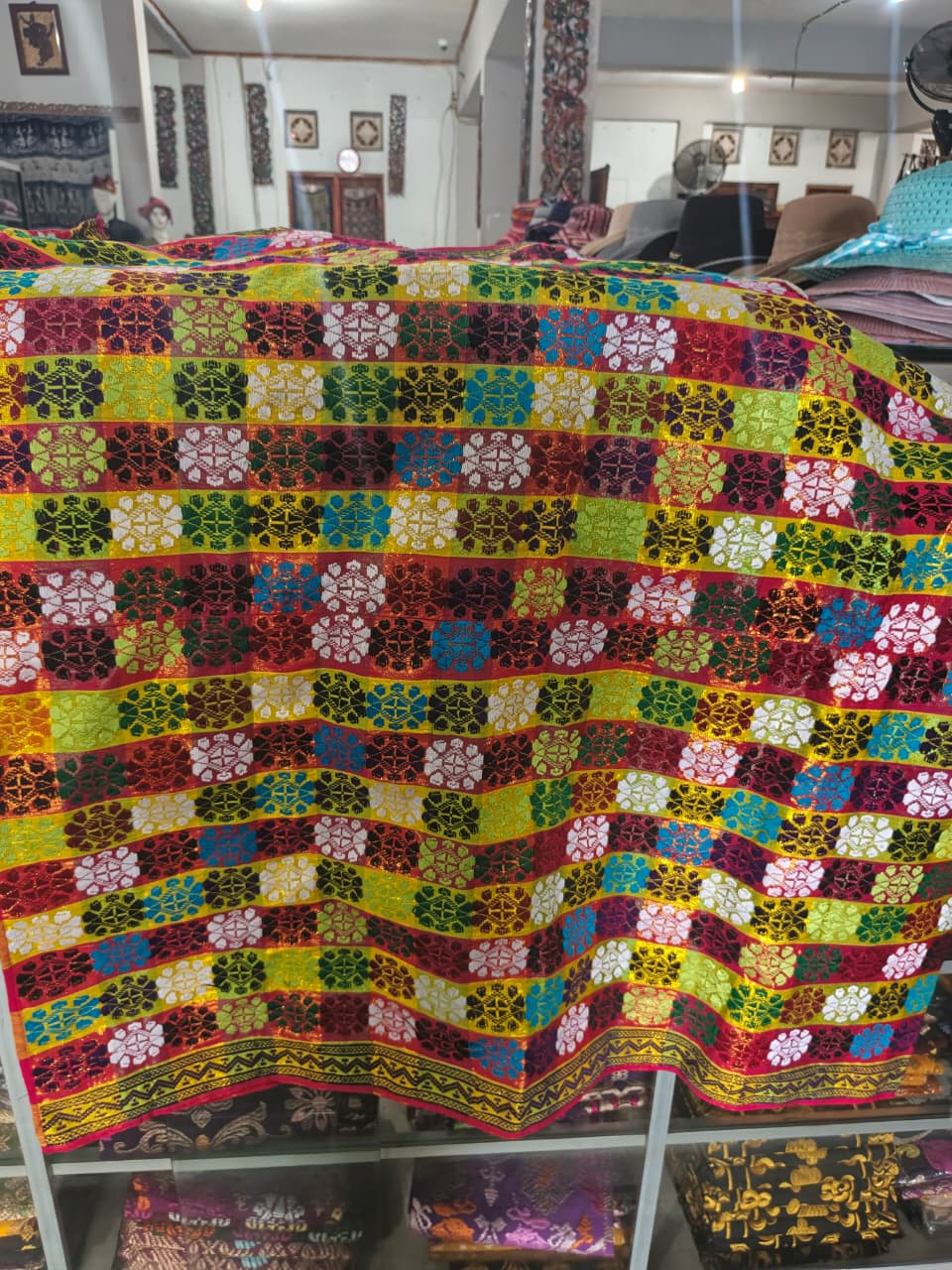
This motif is an adaptation of the classic Subahnale pattern, adapted to contemporary aesthetics ("nane" means now), with a more dynamic color scheme and composition. Its philosophy teaches the importance of adaptation and flexibility in facing the dynamics of the times, while maintaining the values ​​of piety, gratitude, and ancestral cultural identity that remain intact amidst the tide of modernization.

Motif Subahnale Nane

Motif Keker
Philosophical meaning

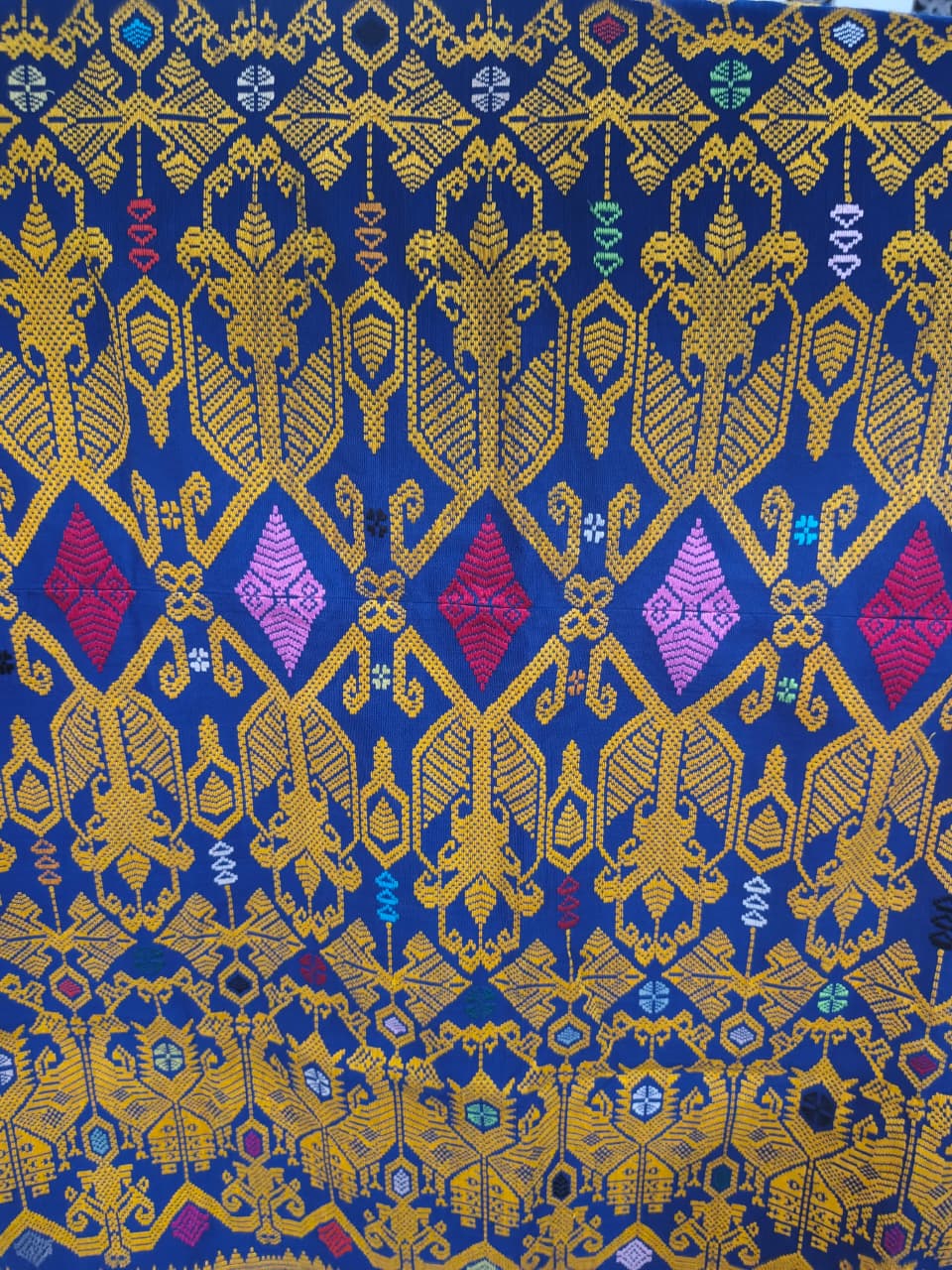
Featuring two peacocks (keker) side by side or facing each other under the tree of life, this motif symbolizes elegance, glory, and noble character. Philosophically, the Keker motif symbolizes peace, compassion, and harmony in life, thus being deeply understood as a ward against disaster and a prayer for the couple to live in harmony and prosperity in their marriage.

Motif Keker

Motif Ragi Empat
Philosophical meaning

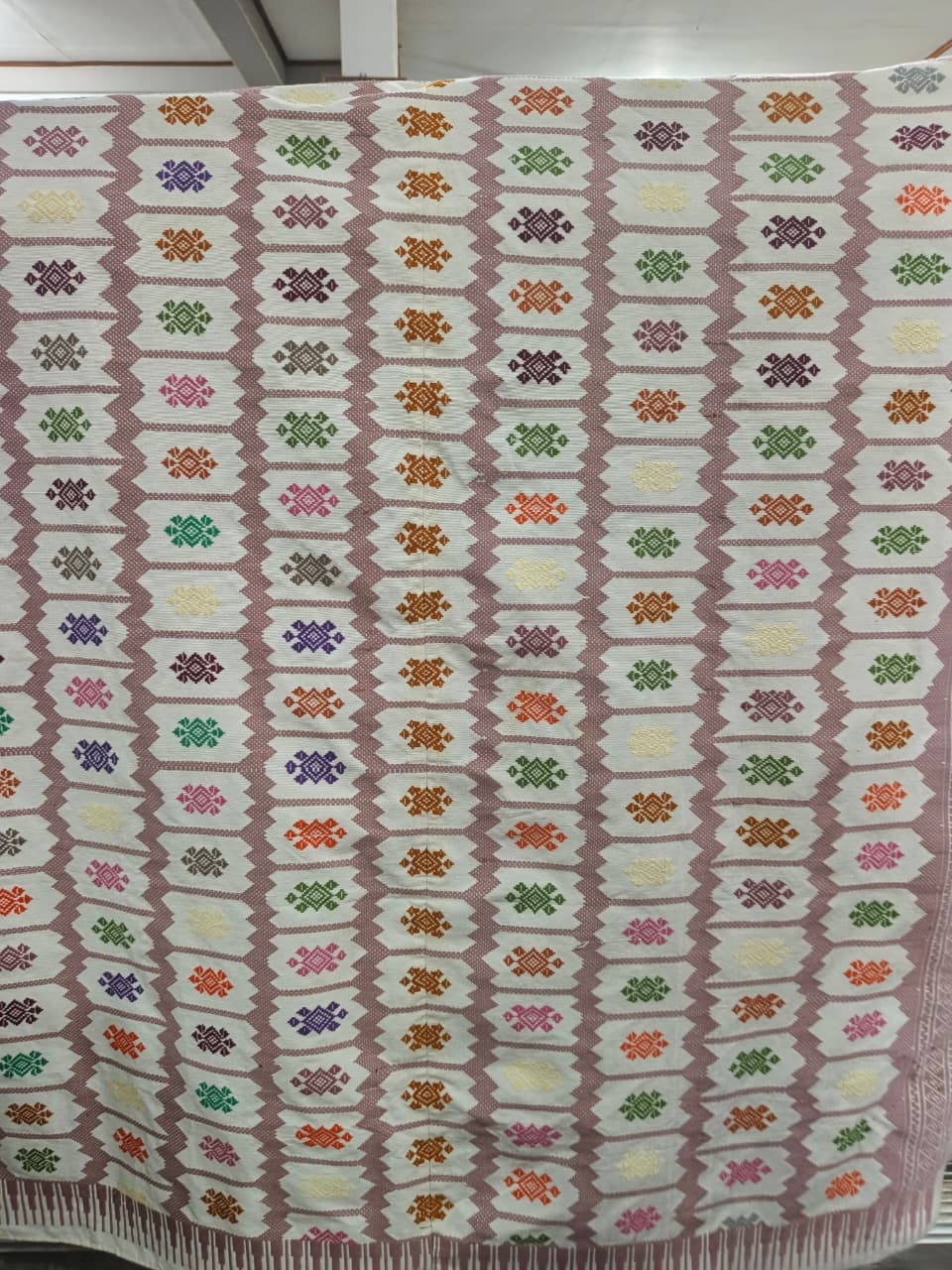
This motif, which focuses on the composition of four elements or a geometric pattern of four corners, symbolizes the concept of balance in the universe, such as the four cardinal directions and the four basic elements of life (earth, water, fire, and wind). Its philosophy centers on creating social and spiritual harmony, namely a balanced relationship between humans and nature, fellow humans, and the Creator, for the realization of a just and stable order of life.

Motif Ragi Empat

Kombinasi Motif Subahnale dan Rang-Rang
Philosophical meaning

This combination combines the serene sacredness of the Subahnale honeycomb pattern with the vibrant and dynamic zigzag pattern of the Rang-Rang. Philosophically, this combination symbolizes the balance of human life: that no matter how intense the passions, turmoil, and worldly twists and turns one faces (Rang-Rang), everything must remain grounded and controlled by spiritual awareness, inner peace, and gratitude to God (Subahnale).

Kombinasi Motif Subahnale dan Rang-Rang

The Weaving Process

Traditional Weaving Process

Witness the patience of skilled hands interweaving threads using traditional backstrap looms (Gedogan).

Documentary video: the step-by-step making of Sukarara songket.

More documentation

  • Documentary videos are being prepared by the research team.
Documentation

Documentation Gallery

Field photo albums: the weaving process, community activities, and everyday portraits in Sukarara Village.

Research & News

Latest Research & News

A collection of scientific articles, field logs, and research documentations from the local team.

Project Partners
Sukarara Songket Wesearch Sukarara Dinas Kebudayaan NTB Komunitas Tenun Sasak