Songket Motif Catalogue
The motif catalogue and its philosophical meanings. For field photo documentation, visit the Gallery page.
6
Total entries
 Featured
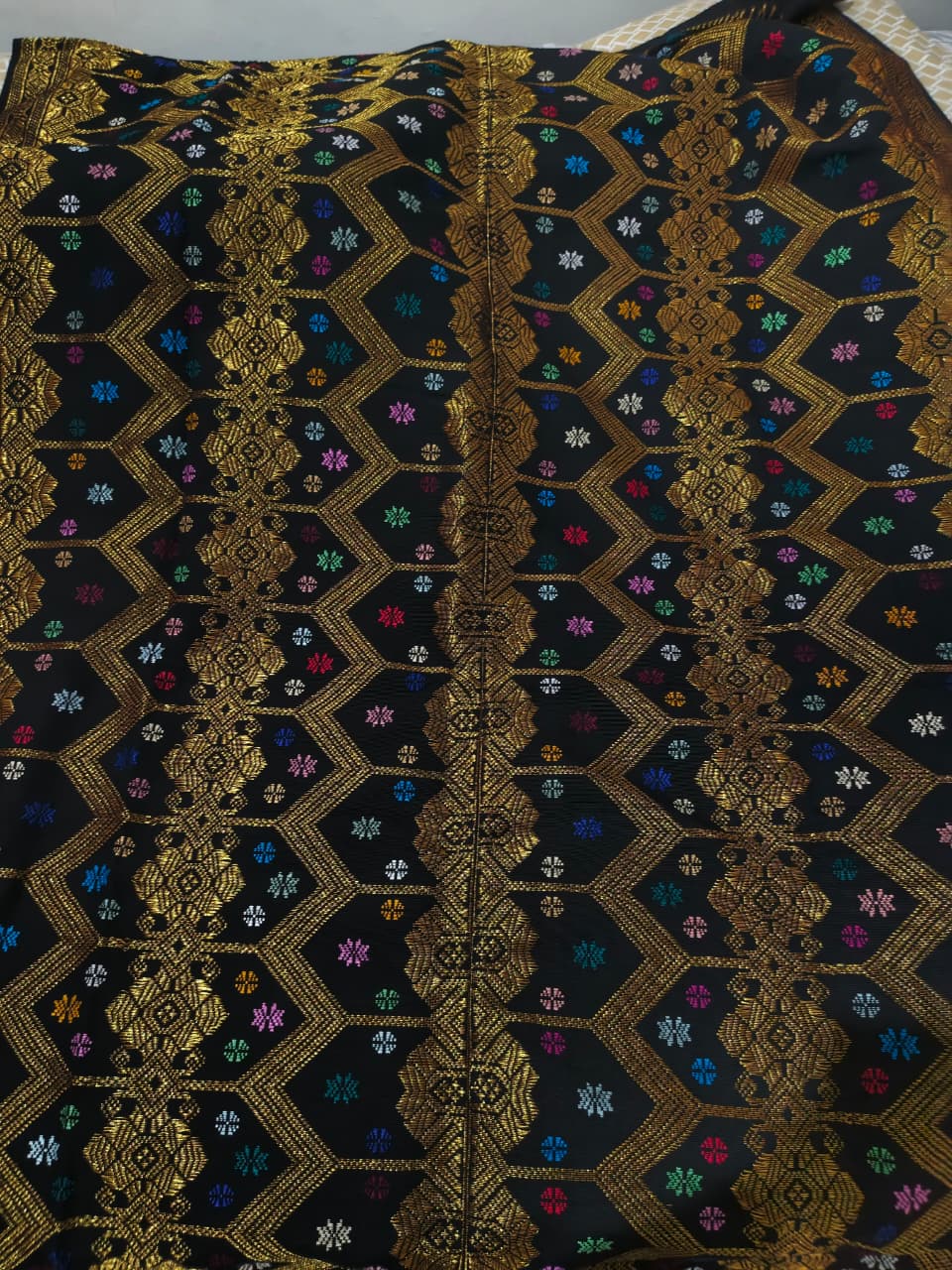
Motif Bulan Bekurung
This motif depicts the shape of a moon surrounded by a geometric frame, symbolizing the concept of protecting the goodness, honor, and sanctity of the family. Philosophically, the Sasak people interpret this motif as a household that consistently upholds the dignity and honor of its inhabitants, while also representing a daughter whose honor is protected so that she can become a beacon of goodness for her family and community.
View details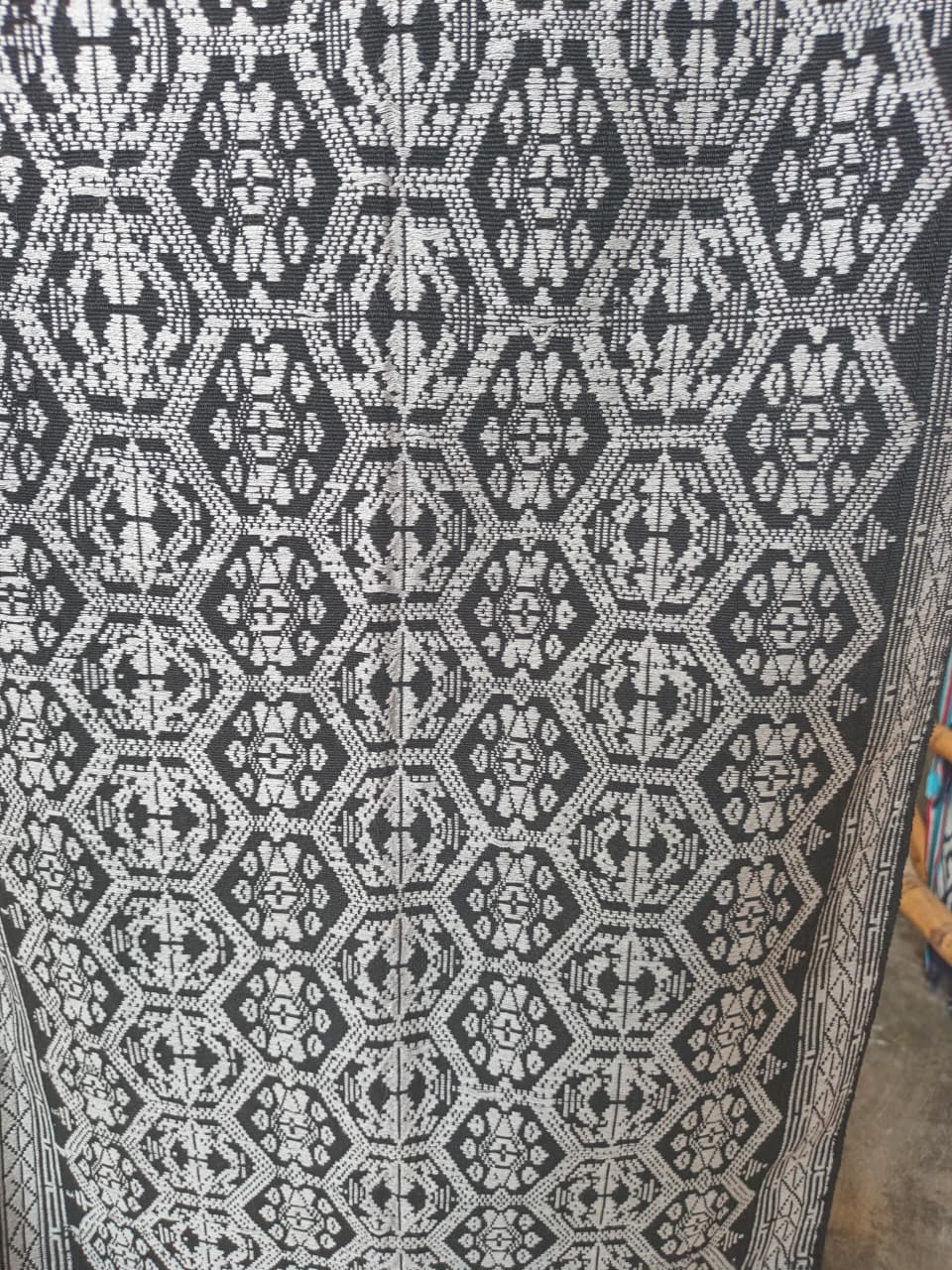 Featured
Motif Subahnale Laek
Derived from the dzikir phrase "Subhanallah" and the word "laek," meaning classic or ancient, this honeycomb motif symbolizes the extraordinary patience and perseverance of weavers of the past. Philosophically, this motif represents human devotion, gratitude, and sincerity to the Creator, where each intricate thread is accompanied by awe of God for the beauty of creation.
View details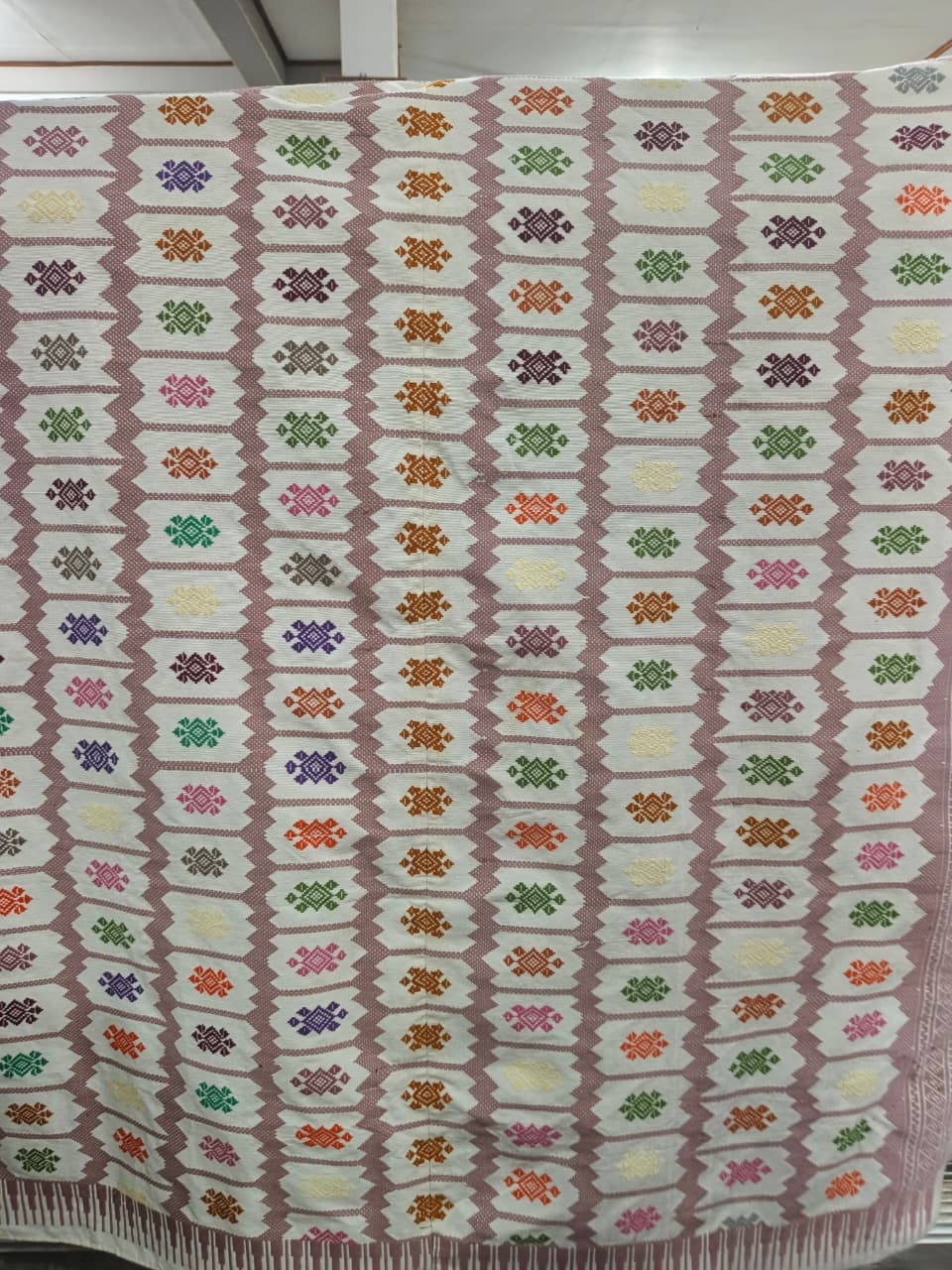 Featured
Motif Subahnale Nane
This motif is an adaptation of the classic Subahnale pattern, adapted to contemporary aesthetics ("nane" means now), with a more dynamic color scheme and composition. Its philosophy teaches the importance of adaptation and flexibility in facing the dynamics of the times, while maintaining the values of piety, gratitude, and ancestral cultural identity that remain intact amidst the tide of modernization.
View details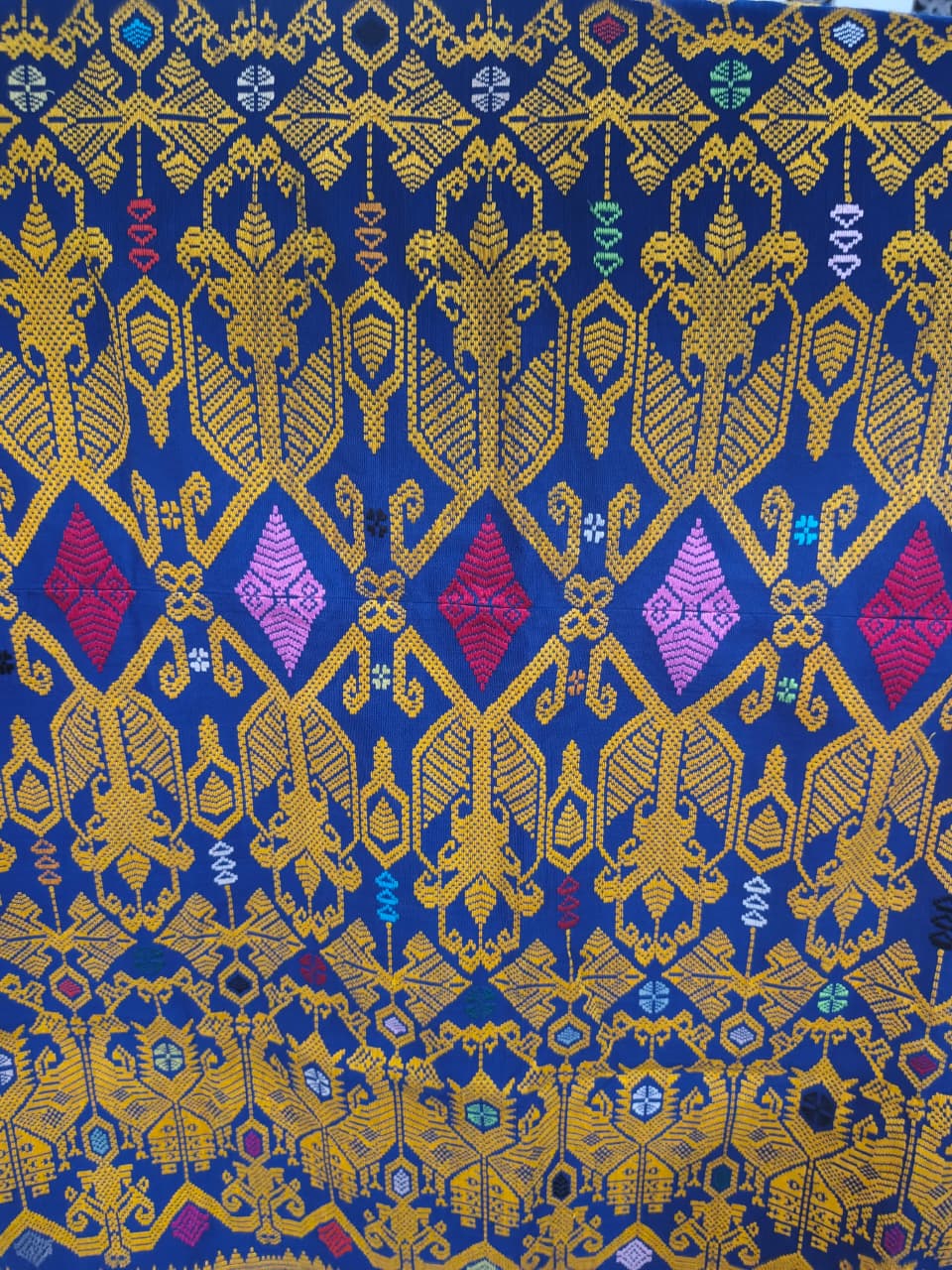 Featured
Motif Keker
Featuring two peacocks (keker) side by side or facing each other under the tree of life, this motif symbolizes elegance, glory, and noble character. Philosophically, the Keker motif symbolizes peace, compassion, and harmony in life, thus being deeply understood as a ward against disaster and a prayer for the couple to live in harmony and prosperity in their marriage.
View details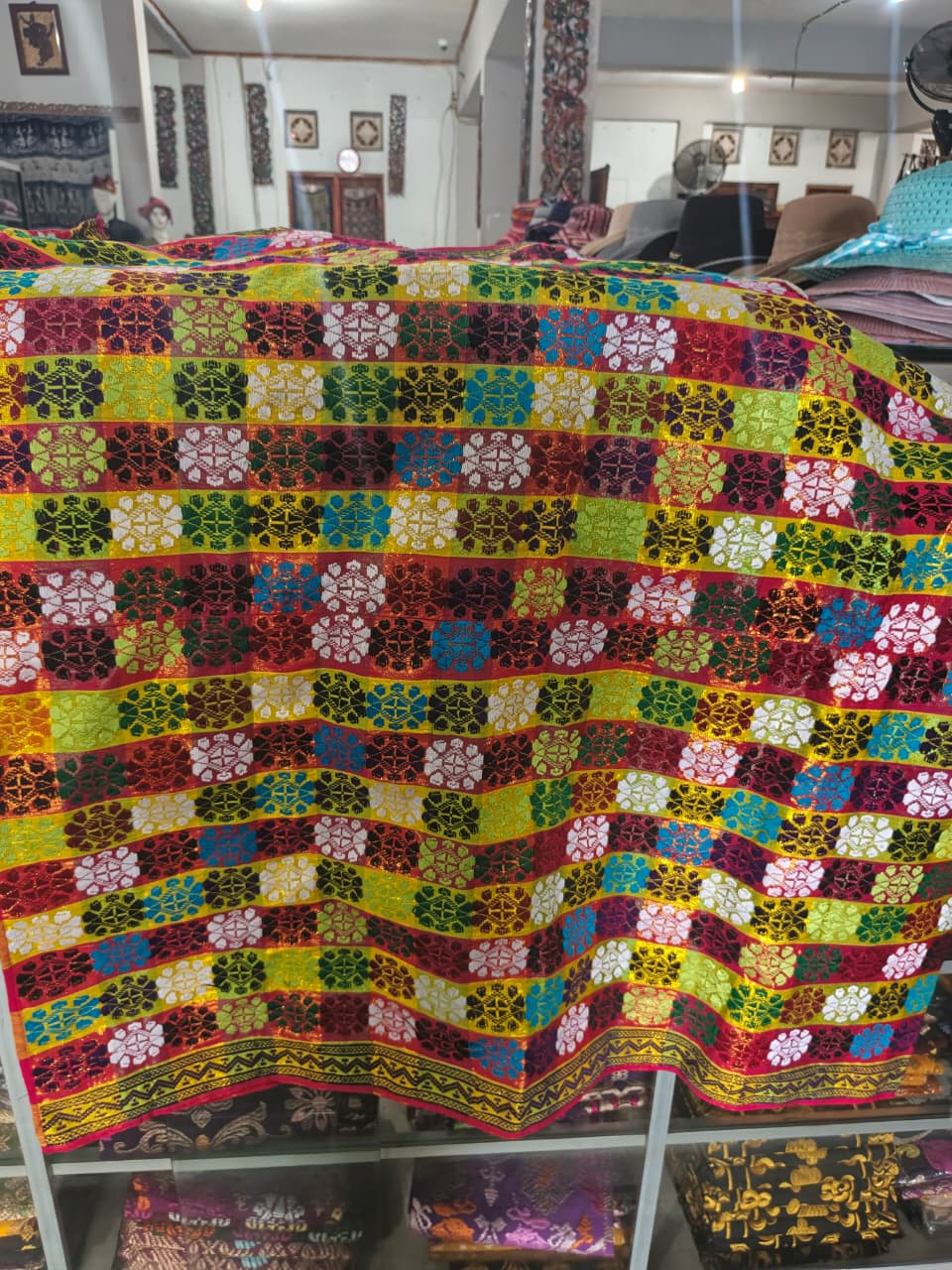 Featured
Motif Ragi Empat
This motif, which focuses on the composition of four elements or a geometric pattern of four corners, symbolizes the concept of balance in the universe, such as the four cardinal directions and the four basic elements of life (earth, water, fire, and wind). Its philosophy centers on creating social and spiritual harmony, namely a balanced relationship between humans and nature, fellow humans, and the Creator, for the realization of a just and stable order of life.
View details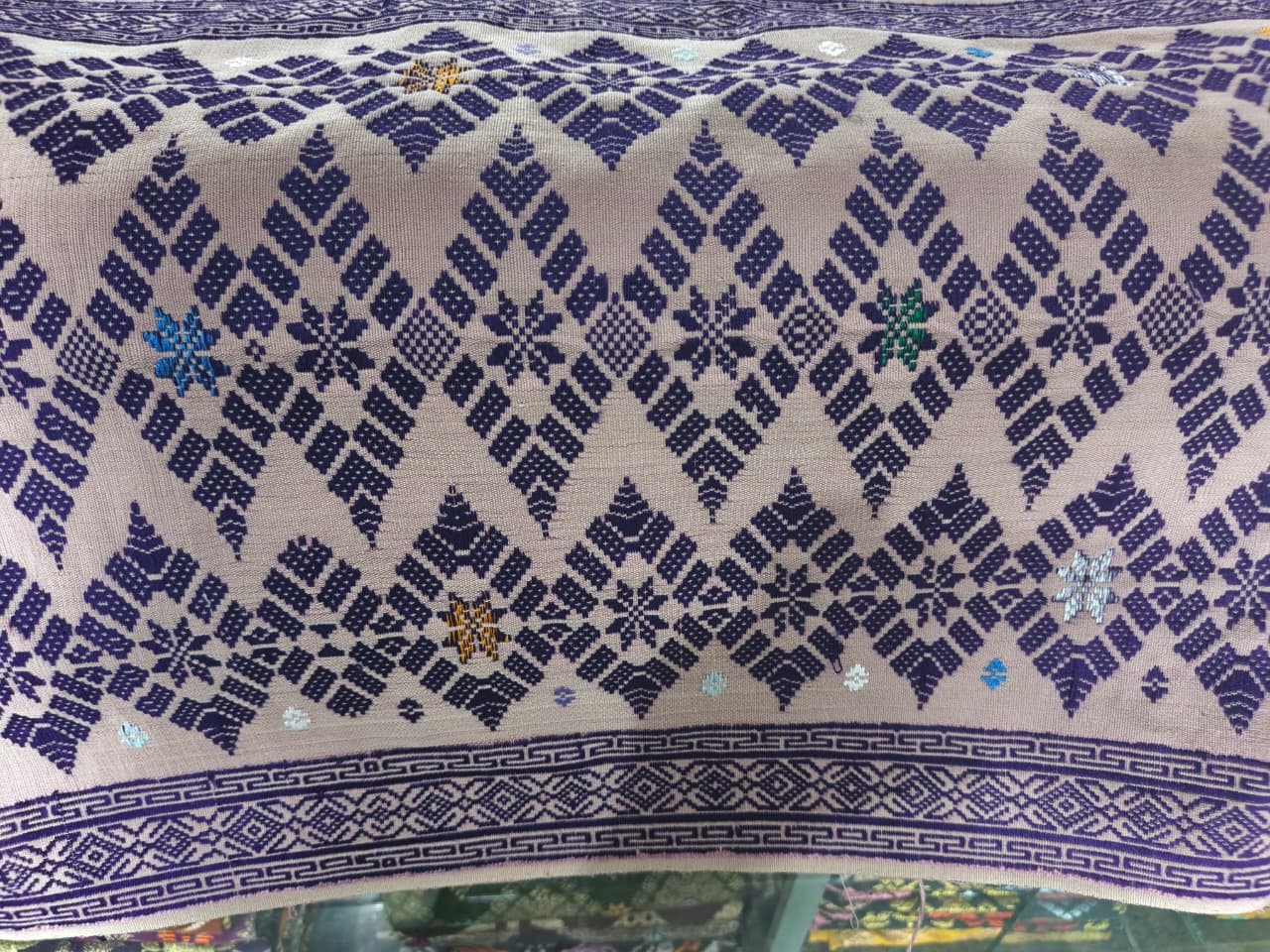 Featured
Kombinasi Motif Subahnale dan Rang-Rang
This combination combines the serene sacredness of the Subahnale honeycomb pattern with the vibrant and dynamic zigzag pattern of the Rang-Rang. Philosophically, this combination symbolizes the balance of human life: that no matter how intense the passions, turmoil, and worldly twists and turns one faces (Rang-Rang), everything must remain grounded and controlled by spiritual awareness, inner peace, and gratitude to God (Subahnale).
View detailsLooking for the photo documentation?
The motif catalogue holds meanings and classification. Photo albums of the process, activities, and Inaq portraits live on the Documentation Gallery page.